Why Kisumu Now Has a Pharmacy That Goes Beyond the Counter

Walk into most pharmacies and you’ll find the same experience: a counter, a queue, and a prescription handed over. You walk out with a paper bag and very little else. For years, that’s been the norm for healthcare access in Kisumu and across Kenya.

But something has changed. Realtime Pharmaceuticals opened its doors with a different question in mind: what if your pharmacy could be the most reliable health partner your family has ever had?

This isn’t marketing language. It’s a genuine shift in how pharmaceutical care is being delivered in western Kenya and in this post, we want to introduce you to that vision, explain what it means for you, and show you exactly what to expect when you walk through our doors (or visit our online shop).

Healthcare in Kenya is at a turning point

Non-communicable diseases diabetes, hypertension, cancer now account for 41% of all deaths in Kenya and half of all hospital admissions, according to the WHO Kenya Country Office’s 2025 annual report. In western Kenya, malaria, TB, and maternal health challenges remain persistent. Skin conditions are driving 10–30% of outpatient visits nationwide.

At the same time, Kenyans are more informed than ever. People are researching their conditions online, seeking out global skincare brands like CeraVe and COSRX, looking for quality sports nutrition supplements, and demanding more from their healthcare providers.

The gap between what people need and what they’re getting from traditional pharmacy services has never been wider. That gap is exactly what Realtime Pharmaceuticals was built to close.

“Your health is our priority. Your care is our commitment.” — Realtime Pharmaceuticals


What does ‘beyond the counter’ actually mean?

When we say we go beyond dispensing medication, we mean it in several very practical ways:

  • Professional health consultations, not just dispensing, but guiding
  • Chronic disease management support for conditions like diabetes, hypertension, and HIV/AIDS
  • Preventive health products; vitamins, supplements, and wellness essentials
  • Specialized malaria and TB treatment support
  • Free delivery within Kisumu town for your convenience
  • An online shop with over 25,000 products accessible from anywhere in Kenya

We’ve also built what we call a Warehouse to Wellness model. Products move from our centrally managed warehouse where quality and cold-chain integrity are monitored directly to our pharmacy floor and to wholesale distribution vans that serve communities across the region. Nothing sits in a grey zone. Every product you receive from us has a clear, traceable supply chain.

A one-stop health destination for every family

One of the things our customers tell us they value most is not having to drive across town for different health needs. Realtime Pharmaceuticals brings together:


Medical & Prescription

Chronic medications, malaria & TB treatment, reproductive health, OTC medicines.

Baby, Kids & Maternal Health

Baby care, infant formula, kids’ vitamins, prenatal and postnatal wellness.

Skincare & Global Beauty Brands

Authorised retailer for COSRX, Aprilskin, CeraVe and other trusted international brands.

Sports, Fitness & Nutrition

Whey protein, collagen supplements, hydration packs, recovery gear and fitness accessories.


Rooted in Kisumu. Reaching across the region.

Realtime Pharmaceuticals is deeply embedded in the Kisumu community. We are not a national chain managing store number 47 we are a local healthcare partner that understands the specific health pressures facing families in western Kenya: the malaria risk, the rising rates of diabetes and hypertension, the challenges of accessing specialist dermatology care, and the everyday health needs of growing families.

At the same time, our reach extends far beyond the pharmacy floor. Through our fleet of wholesale distribution vans, we supply products to communities and businesses across the wider region. Our Agrovet division supports livestock and farming households. And our online platform means that wherever you are in Kenya, quality pharmaceutical and wellness products are just a click away.

We are proud to be a subsidiary of Real Time Group Global https://realtimegroup.co.ke a multi-sector group with interests in hospitality and travel which means we bring genuine operational scale and cross-sector expertise to the work of community healthcare.

What to expect when you work with us

Our care model is built on three simple pillars that guide every interaction:

Assess

We take time to understand your specific needs before recommending anything.

Support

We provide the right medication, product, or professional advice for your situation.

Care

We stay with you — follow-up, continuous support, and long-term wellness guidance.

This is just the beginning

Every week this month, we will be publishing practical, honest health content on this blog covering chronic disease management, skincare for Kenyan conditions, family health essentials, sports recovery, and more. Our goal is simple: to be a resource you can trust, written by people who actually work in healthcare in Kisumu.

If you have a health question, a topic you’d like us to cover, or you simply want to know more about what we offer, we’d love to hear from you. Visit us in store, call us on 0700 144 504, or browse over 25,000 products at our online shop.

Because your health is our priority and your care is our commitment.
Cervical Cancer Awareness: What Every Woman Should Know

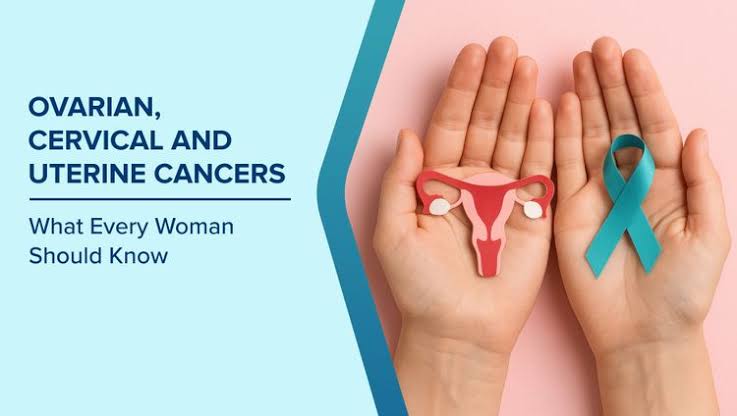
Cervical Cancer Awareness Month, marked every January, is a timely reminder to pause and check in with our health. Cervical cancer is one of the most preventable cancers, yet many women are diagnosed late often because the early signs are easy to miss or because screening is delayed.

What is cervical cancer?

Cervical cancer develops in the cells of the cervix; the lower part of the uterus that connects to the vagina. In most cases, it is caused by long-term infection with certain high-risk types of the Human Papillomavirus (HPV).

HPV is very common. Many people will be exposed to it at some point in their lives, often without knowing. In most cases, the body clears the virus naturally. When it doesn’t, it can cause changes in cervical cells that may develop into cancer over time.

This slow progression is exactly why screening is so important.

Why cervical cancer often goes unnoticed

In its early stages, cervical cancer usually does not cause noticeable symptoms. As a result, many women feel well and assume everything is fine.

When symptoms do appear, they may include:

  • Unusual vaginal bleeding (between periods, after sex, or after menopause)
  • Persistent pelvic pain
  • Pain during intercourse
  • Unusual vaginal discharge

These symptoms don’t automatically mean cancer, but they do mean it’s time to speak to a healthcare professional.

The role of screening

Regular screening can detect abnormal cervical cell changes early, before they become cancer.

The most common screening tests include:

  • Pap smear (Pap test): Checks for abnormal cervical cells
  • HPV testing: Identifies high-risk HPV types linked to cervical cancer

Screening is recommended even if you feel healthy and have no symptoms. It’s a preventive step, not a response to illness.

Can cervical cancer be prevented?

In many cases, yes.

Cervical cancer prevention includes:

  • Routine cervical screening
  • HPV vaccination
  • Early treatment of abnormal cervical cell changes
  • Practicing safer sexual health habits

The HPV vaccine is most effective when given early, but screening remains essential for women of eligible ages, regardless of vaccination status.

Listening to your body matters

Our bodies often signal when something is off; but those signals can be quiet. Fatigue, discomfort, or changes we brush off as “normal” can sometimes be worth a closer look.

Paying attention doesn’t mean assuming the worst. It simply means choosing awareness over avoidance.

What you can do

  • Schedule a cervical screening if you’re due or overdue
  • Seek medical advice if you notice unusual symptoms
  • Learn more about cervical and reproductive health
  • Encourage the women in your life to prioritize screening

A gentle reminder

Cervical cancer does not develop overnight. Early detection can make treatment simpler and outcomes better. We’re committed to supporting women’s health through education, access to screening services, and trusted healthcare guidance. Whether it’s January or any other month, taking time to care for your health is always worth it.

Your Glow-Up Guide to Hydrating Your Skin in cold Weather

Let’s face it: the cold weather can feel cool and dry, and while we’re all reaching for a warm cup of coffee, our skin is quietly begging for some TLC[Tender loving care]. This dry, chilly weather is the ultimate moisture-sapper, leaving your face feeling tight, looking dull, and begging for hydration.

But don’t panic! A few strategic updates to your skincare routine can make all the difference. Say goodbye to flaky patches and hello to a plump, radiant glow that will have everyone asking for your secret.

The Epic Benefits of Hydrated Skin (Glow-Getters)

  • Hydrated skin is softer, smoother, and feels oh-so-good to the touch. Say goodbye to that rough, sandpaper feel!
  • When your skin is plump with moisture, those fine lines and wrinkles look less noticeable. It’s like a natural filter!
  • Hydration strengthens your skin’s natural barrier, which is your first line of defense against pollution, irritants, and those sneaky Nairobi dust devils!
  • Properly hydrated skin reflects light better, giving you that healthy, radiant, lit-from-within glow we all crave. Who needs a filter when you’re this luminous?

Step 1: Cleanse Smarter, Not Harder

Your skin’s moisture barrier is its first line of defense. The wrong cleanser can weaken it, especially in this weather.

Swap out: Foaming, harsh soaps that leave your skin “squeaky clean” (this is a bad sign!).

Embrace: Creamy, hydrating, or oil-based cleansers that remove impurities without stripping away your skin’s natural oils.

Our Top Picks:

  • CeraVe Hydrating Cleanser: A fan favorite for a reason. It’s fragrance-free and packed with essential ceramides to protect your skin’s barrier as you cleanse.
  • Bioderma Atoderm Shower Oil: An excellent, gentle option that works wonders for both your face and body, leaving your skin feeling soft and supple.

Step 2: Hydrate Like It’s Your Job

Hydration is your skin’s best friend, especially during a dry August. Think of it as your personal shield against moisture loss.

Look for hero ingredients like:

  • Hyaluronic Acid: A hydration magnet that draws moisture into your skin.
  • Glycerin: Another powerful humectant that works to keep your skin plump and hydrated.
  • Ceramides: The building blocks of your skin barrier, helping to lock in all that goodness.

Pro-Tip: Apply your moisturizer to slightly damp skin right after cleansing. This helps to lock in the water before it evaporates.

Try These Hydration Powerhouses:

  • CeraVe Moisturising Cream: Rich in hydration, perfect for a nighttime routine.
  • Eucerin UreaRepair Plus 10% Urea Body Lotion:Best for tackling dry, flaky skin on your body.

Step 3: SPF, All Day, Every Day

Just because it’s cloudy and cool doesn’t mean you can skip sunscreen. UV rays are just as strong and can easily penetrate the clouds, leading to sun damage and premature aging.

Your mission: Apply a lightweight broad-spectrum SPF,non-greasy option that won’t feel heavy on your skin, every single morning, no excuses!

Our Recommendations:

  • Eucerin Hydro protect SPF 50+ A
  • La Roche-Posay Anthelios hydrating cream SPF 50+

Bonus Tips for an Effortless cold weather Glow:

  • Hydrate from the Inside: Drink plenty of water throughout the day. Glowing skin starts from within!
  • Add a Humidifier: Running a humidifier in your bedroom at night can significantly help combat the moisture-sapping effects of indoor heating.
  • Boost Your Glow with Serums: Add a Vitamin C or Retinol serum to your routine to brighten dull skin and even out your complexion.

Product Suggestions:

  • La roche posay vitamin C 10 or C 12 (for Vitamin C)
  • Cerave Resurfacing retinol serum (for Retinol)

Need a Custom Skincare Plan?

Still feeling lost on what your skin needs this season? Our skincare consultants are here to help!Chat with us on WhatsApp: wa.me/+254700144504

Understanding Diabetes : How Lifestyle and Nutrition Work Together

Diabetes is one of those conditions many Kenyans have heard about, but few really understand until it hits close to home. Maybe you know a relative who always feels tired or a friend who can’t seem to heal from small cuts. Diabetes is more common than we think, but it’s also one of the most manageable conditions when you understand what’s happening inside the body.

What is Diabetes, Really?

Simply put, diabetes happens when your body can’t control blood sugar (glucose) properly. Normally, a hormone called insulin helps move sugar from your blood into your cells for energy. But when insulin doesn’t work well or isn’t enough, sugar builds up in the blood.

There are two main types:

  • Type 1 Diabetes: Usually starts early in life. The body’s defense system attacks insulin-producing cells.
  • Type 2 Diabetes: More common in adults. The body produces insulin, but doesn’t use it properly. This is called insulin resistance.

What Causes It?

For most people, Type 2 diabetes develops slowly due to a mix of:

  • Too little physical activity
  • Eating too many refined carbs (like white bread, chapati made from all-purpose flour, or sugary drinks)
  • Being overweight
  • Stress or poor sleep
  • Family history

In Kenya, we’ve also noticed that city lifestyles long hours sitting at desks, eating fast foods, and skipping home-cooked meals are major contributors.

The Food Connection

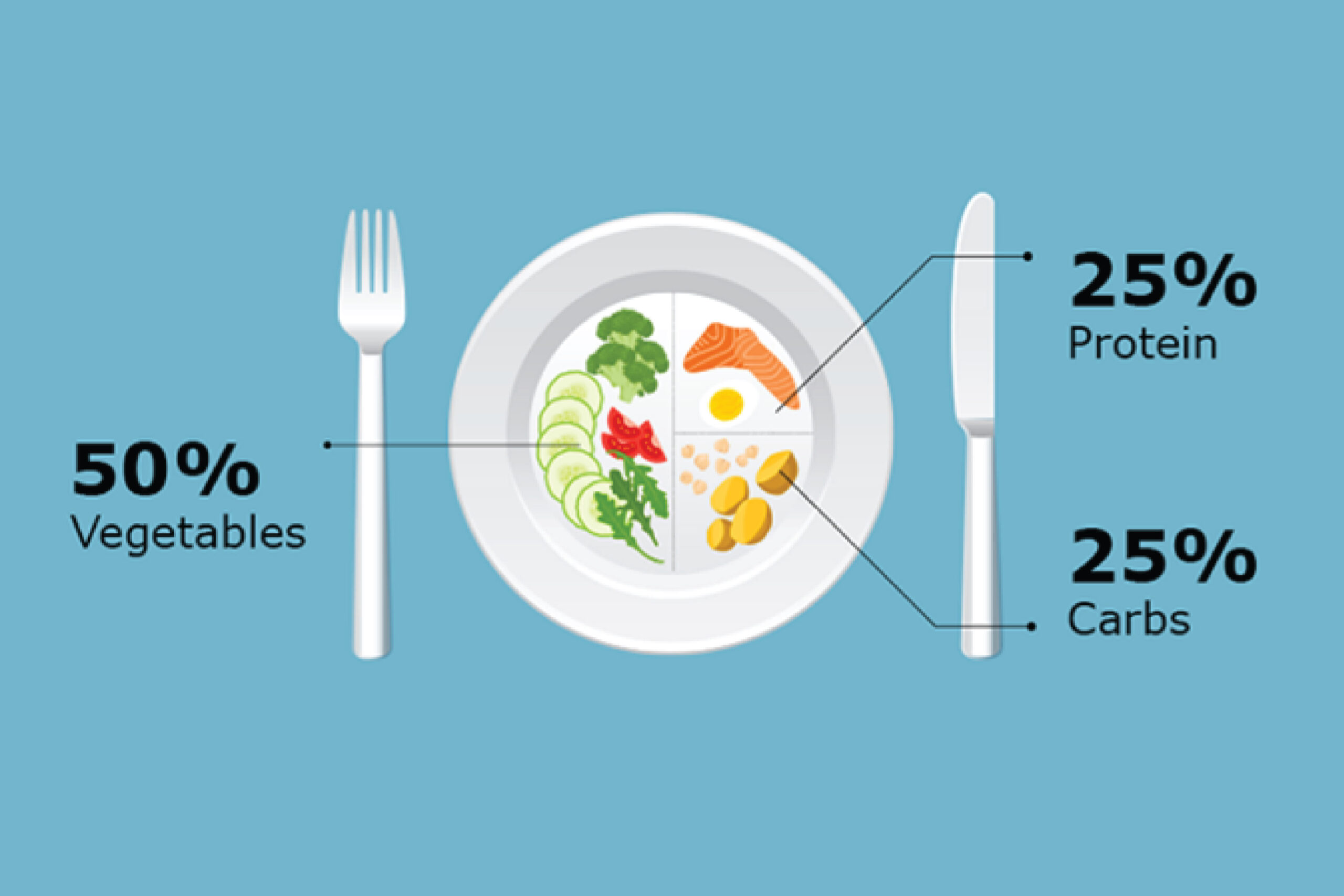
Food can either be your best medicine or your biggest trigger.
Here’s how to choose smartly:

Foods to Avoid

  • ugary drinks: Soda, packed juices, energy drinks (vinywaji vya sukari) spike blood sugar fast.
  • Refined grains: white ugali, mandazi, white chapati. These lack fiber and raise sugar levels quickly.
  • Processed snacks: biscuits, crisps, sweets.
  • Full-fat dairy: too much milk increases insulin resistance because of a hormone called IGF

Better Choices

  • Whole grains like ugali ya dona, brown rice, or oats.
  • Traditional foods like githeri (maize and beans), ndengu, and sukuma wiki (kale).
  • Fruits with fiber: Avocado, papaya (pawpaw), apple, and maembe (mango) in moderation.
  • Vegetables: Tererekunde, spinach, and managu help balance sugar.
  • Fenugreek (methi) seeds and fiber-rich foods slow sugar absorption.

Always avoid fruit juices, even fresh ones, because they cause sugar spikes. Eating whole fruit is much better.

Exercise and Hormones

Exercise helps your body use insulin better and keeps your muscles hungry for sugar, which lowers blood glucose. Even a 30-minute walk, light jogging, or dancing to your Favorite music helps a lot.

Hormones like leptin and ghrelin control hunger and fullness. When you don’t sleep well, these hormones go out of balance, and you end up craving sugar. So sleep is just as important as diet.

The Role of Dietary Supplements

Supplements don’t replace medicine or food, but they can support better blood sugar control and overall wellness.
Some of the most beneficial include:

  • Cinnamon extract: Helps improve how your body uses insulin.
  • Berberine: Naturally lowers blood sugar and cholesterol.
  • Alpha Lipoic Acid (ALA): Protects against nerve damage and improves insulin sensitivity.
  • Chromium Picolinate: Helps your body use glucose more effectively.
  • Vanadium: it mimics the action of Insulin and improves insulin Sensitivity
  • Magnesium and Vitamin D: Improve how insulin works.
  • Vitamin B12: Protects nerves, especially for those using Metformin.
  • Probiotics: Support gut health, which affects sugar balance.
  • Omega-3 fatty acids: Help reduce inflammation and support heart health.
  • CoQ10: Supports energy production in cells and may help with fatigue.
  • Fenugreek (Methi) supplements: Naturally slow sugar absorption and improve insulin function.

Always talk to your doctor or pharmacist before starting any supplement, especially if you’re already on diabetes medication.

The Bottom Line

Diabetes doesn’t have to control your life. With the right food, regular movement, good sleep, and smart nutrition choices, you can live well and stay in charge of your health.
Remember, mtu ni afya. Take care of your body, and it will take care of you.
By Nitin Bangale

Add to cart