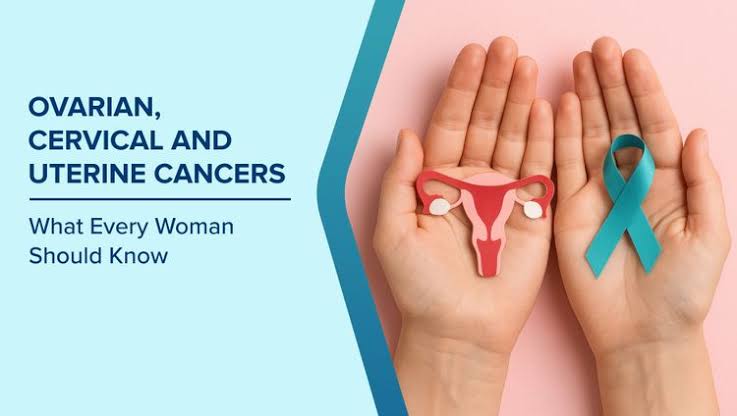
Cervical Cancer Awareness Month, marked every January, is a timely reminder to pause and check in with our health. Cervical cancer is one of the most preventable cancers, yet many women are diagnosed late often because the early signs are easy to miss or because screening is delayed.
What is cervical cancer?
Cervical cancer develops in the cells of the cervix; the lower part of the uterus that connects to the vagina. In most cases, it is caused by long-term infection with certain high-risk types of the Human Papillomavirus (HPV).
HPV is very common. Many people will be exposed to it at some point in their lives, often without knowing. In most cases, the body clears the virus naturally. When it doesn’t, it can cause changes in cervical cells that may develop into cancer over time.
This slow progression is exactly why screening is so important.
Why cervical cancer often goes unnoticed
In its early stages, cervical cancer usually does not cause noticeable symptoms. As a result, many women feel well and assume everything is fine.
When symptoms do appear, they may include:
- Unusual vaginal bleeding (between periods, after sex, or after menopause)
- Persistent pelvic pain
- Pain during intercourse
- Unusual vaginal discharge
These symptoms don’t automatically mean cancer, but they do mean it’s time to speak to a healthcare professional.
The role of screening
Regular screening can detect abnormal cervical cell changes early, before they become cancer.
The most common screening tests include:
- Pap smear (Pap test): Checks for abnormal cervical cells
- HPV testing: Identifies high-risk HPV types linked to cervical cancer
Screening is recommended even if you feel healthy and have no symptoms. It’s a preventive step, not a response to illness.
Can cervical cancer be prevented?
In many cases, yes.
Cervical cancer prevention includes:
- Routine cervical screening
- HPV vaccination
- Early treatment of abnormal cervical cell changes
- Practicing safer sexual health habits
The HPV vaccine is most effective when given early, but screening remains essential for women of eligible ages, regardless of vaccination status.
Listening to your body matters
Our bodies often signal when something is off; but those signals can be quiet. Fatigue, discomfort, or changes we brush off as “normal” can sometimes be worth a closer look.
Paying attention doesn’t mean assuming the worst. It simply means choosing awareness over avoidance.
What you can do
- Schedule a cervical screening if you’re due or overdue
- Seek medical advice if you notice unusual symptoms
- Learn more about cervical and reproductive health
- Encourage the women in your life to prioritize screening
A gentle reminder
Cervical cancer does not develop overnight. Early detection can make treatment simpler and outcomes better. We’re committed to supporting women’s health through education, access to screening services, and trusted healthcare guidance. Whether it’s January or any other month, taking time to care for your health is always worth it.