Understanding Diabetes : How Lifestyle and Nutrition Work Together
Diabetes is one of those conditions many Kenyans have heard about, but few really understand until it hits close to home. Maybe you know a relative who always feels tired or a friend who can’t seem to heal from small cuts. Diabetes is more common than we think, but it’s also one of the most manageable conditions when you understand what’s happening inside the body.
What is Diabetes, Really?
Simply put, diabetes happens when your body can’t control blood sugar (glucose) properly. Normally, a hormone called insulin helps move sugar from your blood into your cells for energy. But when insulin doesn’t work well or isn’t enough, sugar builds up in the blood.
There are two main types:
- Type 1 Diabetes: Usually starts early in life. The body’s defense system attacks insulin-producing cells.
- Type 2 Diabetes: More common in adults. The body produces insulin, but doesn’t use it properly. This is called insulin resistance.
What Causes It?
For most people, Type 2 diabetes develops slowly due to a mix of:
- Too little physical activity
- Eating too many refined carbs (like white bread, chapati made from all-purpose flour, or sugary drinks)
- Being overweight
- Stress or poor sleep
- Family history
In Kenya, we’ve also noticed that city lifestyles long hours sitting at desks, eating fast foods, and skipping home-cooked meals are major contributors.
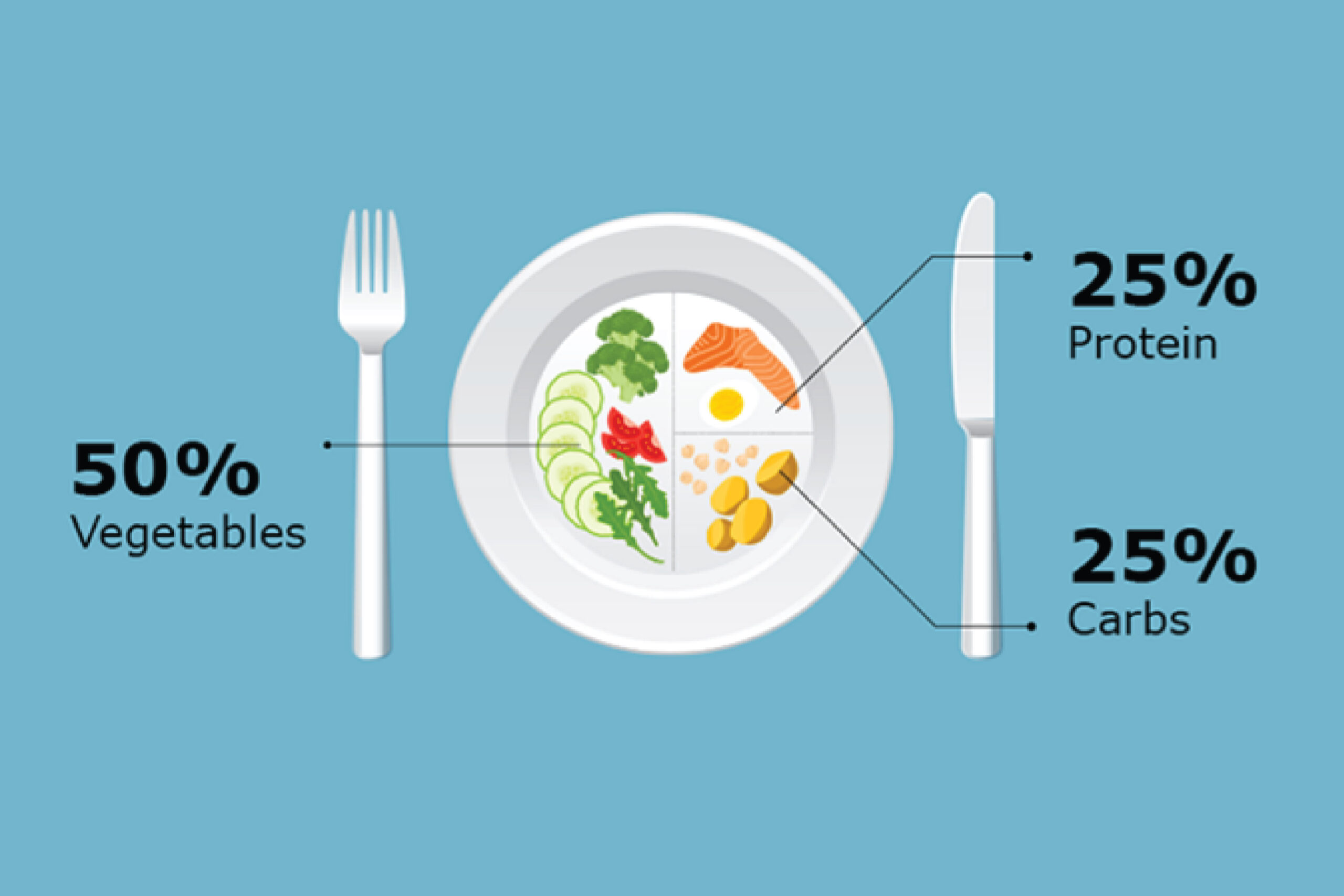
The Food Connection
Food can either be your best medicine or your biggest trigger.
Here’s how to choose smartly:
Foods to Avoid
- ugary drinks: Soda, packed juices, energy drinks (vinywaji vya sukari) spike blood sugar fast.
- Refined grains: white ugali, mandazi, white chapati. These lack fiber and raise sugar levels quickly.
- Processed snacks: biscuits, crisps, sweets.
- Full-fat dairy: too much milk increases insulin resistance because of a hormone called IGF
Better Choices
- Whole grains like ugali ya dona, brown rice, or oats.
- Traditional foods like githeri (maize and beans), ndengu, and sukuma wiki (kale).
- Fruits with fiber: Avocado, papaya (pawpaw), apple, and maembe (mango) in moderation.
- Vegetables: Terere, kunde, spinach, and managu help balance sugar.
- Fenugreek (methi) seeds and fiber-rich foods slow sugar absorption.
Always avoid fruit juices, even fresh ones, because they cause sugar spikes. Eating whole fruit is much better.
Exercise and Hormones
Exercise helps your body use insulin better and keeps your muscles hungry for sugar, which lowers blood glucose. Even a 30-minute walk, light jogging, or dancing to your Favorite music helps a lot.
Hormones like leptin and ghrelin control hunger and fullness. When you don’t sleep well, these hormones go out of balance, and you end up craving sugar. So sleep is just as important as diet.
The Role of Dietary Supplements
Supplements don’t replace medicine or food, but they can support better blood sugar control and overall wellness.
Some of the most beneficial include:
- Cinnamon extract: Helps improve how your body uses insulin.
- Berberine: Naturally lowers blood sugar and cholesterol.
- Alpha Lipoic Acid (ALA): Protects against nerve damage and improves insulin sensitivity.
- Chromium Picolinate: Helps your body use glucose more effectively.
- Vanadium: it mimics the action of Insulin and improves insulin Sensitivity
- Magnesium and Vitamin D: Improve how insulin works.
- Vitamin B12: Protects nerves, especially for those using Metformin.
- Probiotics: Support gut health, which affects sugar balance.
- Omega-3 fatty acids: Help reduce inflammation and support heart health.
- CoQ10: Supports energy production in cells and may help with fatigue.
- Fenugreek (Methi) supplements: Naturally slow sugar absorption and improve insulin function.
Always talk to your doctor or pharmacist before starting any supplement, especially if you’re already on diabetes medication.
The Bottom Line
Diabetes doesn’t have to control your life. With the right food, regular movement, good sleep, and smart nutrition choices, you can live well and stay in charge of your health.
Remember, mtu ni afya. Take care of your body, and it will take care of you.
By Nitin Bangale